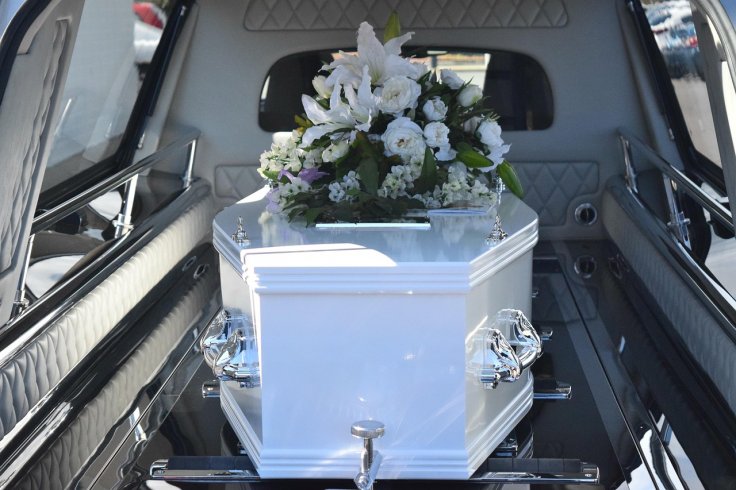
Construction works along Bukit Timah Road for the upcoming North-South Corridor have uncovered four coffins believed to be part of a long-forgotten Christian cemetery that once occupied the area near KK Women's and Children's Hospital (KKH).
According to an exhumation notice published in The Straits Times classifieds on Wednesday, December 3, the Land Transport Authority (LTA) is calling on next of kin to come forward within 14 days to register their claims to the unidentified remains.
AsiaOne reported that LTA confirmed that the coffins — which had no tombstones or identifying markers — were discovered in October and November during tunnelling and excavation works for the expressway project. The authority has since lodged a police report as part of standard protocol.
Heritage researcher Peter Pak, who studies historical burial grounds in his personal time, said the find aligns with maps showing the presence of the Old Christian Cemetery in the same area. In a blog post on Wednesday, he noted that a 1932 map accessed through the National University of Singapore Libraries database clearly marks the location as part of the former burial ground.
The cemetery was opened in the late 19th century and served as a resting place for members of the Christian community in Bukit Timah. Records from the National Archives of Singapore indicate that the last burial there took place in 1961.
Pak, who works as an IT project manager at the National Library Board, added that because the coffins lack tombstones or inscriptions, it will be difficult for families to identify relatives who may have been buried there. As a result, he expects few next of kin to come forward.
"Hopefully my blog post will raise awareness of the place and so that any Christian organisation or church can come with a claim... to ensure due respect is accorded," he told AsiaOne.
The discovery adds to the growing list of historical remnants uncovered during major infrastructure projects, offering a rare glimpse into Singapore's early burial sites and the communities that once lived — and were laid to rest — along Bukit Timah Road.


