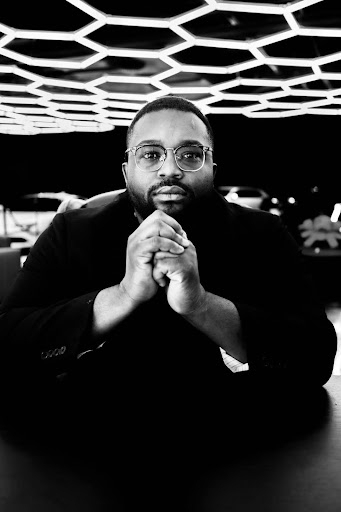
Artificial intelligence is reshaping industries around the globe, and publishing is no exception. Tools that generate content at lightning speed have made it easier than ever to flood the market with books. Yet according to Peterson Herard, Founder of Published in 90, speed and quantity come at a cost: authenticity.
"AI will flood the market with soulless, copy-paste books that no one connects with," Peterson explains. "And that's exactly why real, human storytelling will stand out more than ever. In five years, the books that cut through won't be the ones generated by machines they'll be the ones that carry blood, sweat, and scars. Stories only people can tell."
Democratizing Publishing Without Losing Its Soul
Publishing was once a gatekept industry where aspiring authors needed approval from a handful of publishers. Today, the barriers have fallen. Anyone can self-publish but as Peterson points out, accessibility alone doesn't guarantee impact.
"Publishing used to be about begging for approval. Now anyone can publish but most don't know how to do it profitably," he says. "Published in 90 sits at the intersection: we give ordinary people with extraordinary stories the ability to not just publish, but profit, heal, and leave legacy."
Through his platform www.petersonherard.com, Peterson works with clients to package lived experiences into books that resonate with readers while positioning authors as credible voices in their industries.
A Global Demand for Voice
Peterson's work has taken him beyond U.S. borders, where he's collaborated with clients from different cultural contexts. The challenges may differ, but the need for storytelling remains universal.
"The struggles are different sometimes it's culture, sometimes it's resources but the pain is universal," he reflects. "Whether it's divorce in America, oppression in another country, or addiction anywhere in the world, the theme is the same: people want their voice heard. Published in 90 helps them bridge that gap, no matter the country."
This perspective highlights a critical truth: storytelling transcends geography. The framework is universal, but the details metaphors, language, cultural anchors are local. "The framework is the same, the flavor is different," Peterson says. "That's why authenticity beats templates."
Lessons Across Borders
Peterson believes there are lessons the U.S. publishing industry and the global community can learn from each other. In America, publishing has become democratized, allowing anyone to share their story without needing a publisher's permission. But that openness sometimes leads to rushed, AI-driven books designed only to sell.
By contrast, Peterson sees many cultures outside the U.S. maintaining a deeper reverence for storytelling as legacy stories told not just to entertain or market, but to preserve identity and inspire future generations. "When we combine the accessibility of the U.S. model with the authenticity and cultural richness found elsewhere, we empower people to create books that don't just sell they heal, inspire, and endure."
A Vision for Global Collaboration
Looking ahead, Peterson wants to take Published in 90 beyond individuals and into international partnerships. He envisions working with schools, nonprofits, and community groups to help preserve stories that might otherwise never be told.
"I'd build a global platform where people especially women, trauma survivors, and underrepresented voices could turn their lived experiences into published books," he says. "Because every story shared is someone else's survival guide, and every book published plants seeds of healing, courage, and legacy worldwide."
A Human Future in Publishing
In an age where AI threatens to overwhelm readers with content, Peterson Herard is convinced the opposite will happen: human stories will shine brighter. By focusing on authenticity, profitability, and legacy, Published in 90 is helping people across the globe not just publish books, but preserve pieces of humanity itself.
As Peterson often shares on his Instagram, technology may change the medium, but it can never replace the message. The future of publishing, he believes, belongs to the voices that dare to tell the truth.