The present artificial intelligence market is expected to exceed $631 billion by 2028, as per IDC projections. From the advertisements we scroll through to the products we purchase online, AI is becoming an integral part of our everyday lives. But the other side of this story we usually miss out on, is the huge amount of energy and resources required behind the scenes to keep AI working.
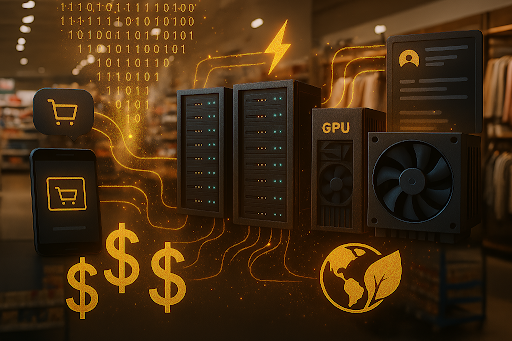
Every second, millions of data bits travel through servers and GPUs to help businesses understand what we want and when we want it. From online shopping to personalized news feed, this invisible engine supports everything. While doing so, it consumes electricity, piles up big bills and generates large carbon footprints.
Amid this critical issue across the world, experts like Yashasvi Makin are bringing ideas on how to make AI's backbone, the computing hardware and software segments work better and waste less.
Why Outdated Systems Slow Us All Down
Let us consider a busy supermarket, where there are just a few checkout counters available. This leads to lines piling up, leaving the shoppers frustrated. On the other hand, if too many are open when the store is quiet. This is exactly what happens in AI infrastructure every day, except the "checkout counters" are expensive GPUs crunching data around the clock.
Most big companies still use outdated methods to decide the requirement of computing power to allot to each job. These methods often waste money and energy, with parts of expensive hardware sitting idle, while other parts are overloaded with work.
This is not a problem faced by just one company, but it affects industries everywhere. When AI supported systems run inefficiently, the costs go up, with companies passing on those costs to customers or pulling investments away from innovation.
A Smarter Way to Share the Load
The initiatives taken by Yashasvi Makin have brought solution to this global issue, where instead of sticking with old one-size-fits-all systems, he helps in developing ways for GPUs to automatically adjust to what is needed, and when it is needed.
"If we can teach our hardware to 'listen' and adapt on the fly, we can do more work with less waste," Yashasvi says.
Employing his methods, retailers can launch better product suggestions faster, advertisers can test new ideas more often, and companies don't have to buy mountains of extra hardware just to handle busy sales hours.
Retail and Ads: The Ripple Effect
Online retail and digital ads touch billions of people daily. A smoother AI system means your shopping cart feels more personal, your ads are more relevant, and your checkout experience is faster; all this is possible due to behind-the-scenes systems working efficiently.
By finding new ways to operate the workload across different kinds of GPU hardware, Yashasvi has shown that you don't always need bigger systems you just need smarter ones. When companies run leaner, they can keep prices fair for shoppers, spend more on research, and cut back on the environmental impact that comes with energy-hungry data centers.
Past Work with a Present Impact
Before tackling today's AI challenges, Yashasvi worked on projects that improved the tech usage experience by millions of people everyday. For instance, while working on video streaming services, he helped build backup systems to keep live sports events online, even during record-breaking viewership. He also streamlined payment systems for digital shopping, making it faster for new payment methods to launch, helping online stores expand choices for customers worldwide.
These changes made life smoother for anyone who's ever paid for a product online or watched a live stream without it freezing mid-game. It's the same practical thinking he now brings to the challenge of training large AI models with fewer hurdles and less energy waste.
End Note
You can't see better AI infrastructure in an app icon or a trending hashtag, but without it, the promise of AI to solve problems faster and serve people better would stay just that, a promise.
By finding ways to get more work out of existing hardware, Yashasvi Makin's approaches show how small changes deep inside a system can result in big improvements for businesses, consumers, and the planet. As AI becomes part of our everyday lives, smarter systems will decide who stays ahead in the race and how those benefits are fairly shared. The foundation laid today could build faster services, greener operations and bring along fresh ideas tomorrow, strong enough to carry the load of an AI-assisted world.


