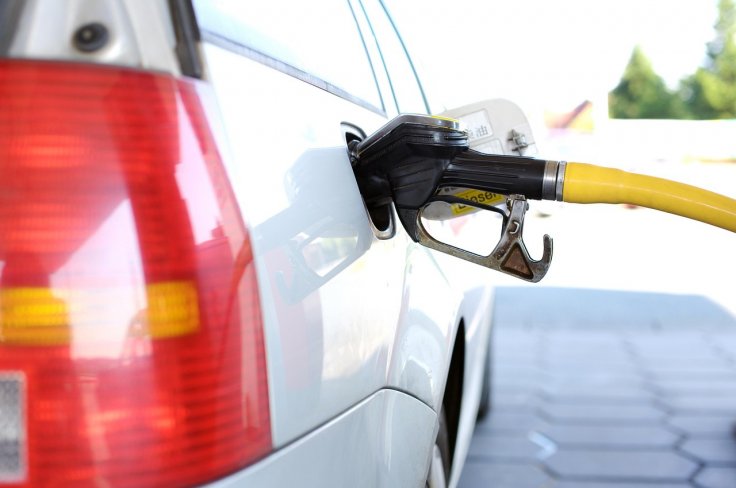
The ongoing geopolitical tensions in the Middle East are pushing global fuel prices upward, creating mounting challenges for transport businesses in Vietnam as they struggle to keep operating costs under control.
The impact of the tensions has quickly spread to the global energy market and is now being felt domestically. In recent fuel price adjustment cycles, Vietnam has recorded repeated increases in petrol and diesel prices, adding financial pressure across several sectors of the economy. Among them, the transport industry, which is heavily dependent on fuel, has been hit particularly hard.
Industry estimates show that fuel accounts for about 30% to 40% of total operating costs in road transport, with the share even higher for companies managing large fleets or running long-haul routes. As a result, even a 10% increase in fuel prices can push operating costs up by several percentage points, a significant burden for an industry that typically operates on slim profit margins.
An executive from a container transport company in Ho Chi Minh City said that consecutive price increases have significantly raised the cost of operating its fleet. Each long-haul tractor-trailer can consume hundreds of litres of diesel daily, meaning even a small rise in fuel prices can lead to a substantial increase in overall expenses.
According to the company, fuel costs make up around 35% to 40% of its operating expenditure. However, freight rates are often locked in under long-term contracts, making it difficult to adjust prices immediately when fuel costs rise. In many cases, companies are forced to absorb the additional costs themselves.
The situation is made more difficult by intense competition in the domestic transport market. Many businesses report profit margins of only 3% to 5%, and sometimes even lower on highly competitive routes. Under such conditions, every increase in fuel prices directly erodes profitability.
Passenger transport operators are facing similar challenges. For taxi companies, fuel typically accounts for about 25% to 35% of operating costs. A taxi operator in Ho Chi Minh City said that when gasoline prices rise, daily fuel expenses for each vehicle can increase by several hundreds of thousands of Vietnamese dong.
"If fuel prices continue to climb, businesses may have to consider raising fares or applying fuel surcharges," a company representative said, as quoted by The Investor. However, fare increases are not always feasible due to strong competition in the taxi and ride-hailing markets. Many firms choose to absorb part of the costs to maintain their customer base.
Transport companies are attempting to manage the impact by optimising operations. Measures include adjusting routes, increasing the number of return trips to reduce empty runs and improving fuel efficiency. Yet the inability to immediately revise freight rates remains a major challenge.
A representative from a passenger transport firm operating the Eastern Bus Station–Central Highlands route said rising fuel prices have clearly affected the company's finances. The industry is currently in its low season, but operators are still required to maintain service schedules.
To reduce expenses, the company has begun optimising routes and reviewing ticket prices. The representative noted that businesses must carefully balance cost management with the need to retain customers.
Experts warn that fuel price volatility could have wider economic implications beyond the transport sector. Since transportation is a key link in supply chains, rising logistics costs may eventually lead to higher prices for goods.
Le Trung Tinh, chairman of the Ho Chi Minh City Passenger Automobile Transport Association, said the impact of Middle East tensions on the transport industry has been immediate. Under the current market system, companies are free to set their own fares while the government plays a regulatory role. However, when input costs rise sharply, fare adjustments may become unavoidable.
To help stabilise the sector, he proposed increasing Vietnam's national petroleum reserves in the long term, noting that current reserves are relatively low compared with many countries in the region. He also suggested that authorities actively manage the fuel price stabilisation fund and consider reducing certain taxes and fees when fuel prices surge.
Bui Van Quan, chairman of the Ho Chi Minh City Cargo Transport Association, also called for stronger measures to ensure stable fuel supply and pricing, pointing out that supply shortages have occasionally occurred.
"This is a force majeure situation, and everyone understands the circumstances," he told The Investor. "Transport companies are facing great difficulties as fuel costs rise while other expenses remain unchanged. We need understanding and support from partners and customers."
Analysts say fuel price movements in the coming months will largely depend on geopolitical developments in the Middle East. If tensions escalate or disrupt global oil supply, fuel prices could remain elevated for a prolonged period, leaving Vietnamese transport businesses to grapple with one of the most unpredictable costs in their operations.


