- Iran demands rights recognition, reparations, security guarantees to end conflict
- President Masoud Pezeshkian outlines conditions after talks with Russia, Pakistan
- Donald Trump says U.S. will continue operations against Iranian targets
- War deaths near 2,000 as energy markets react to Hormuz disruptions
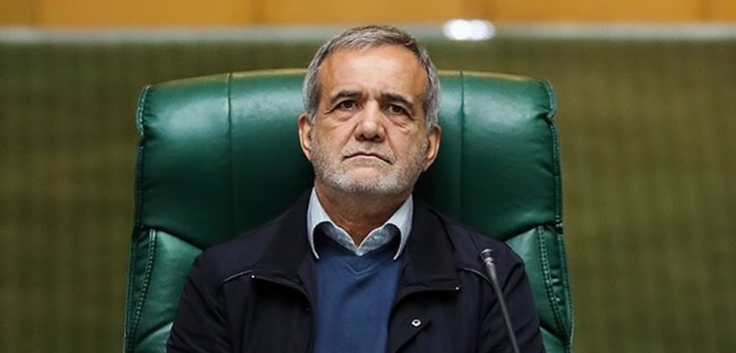
Three conditions have been made by Iran to cease the conflict with the United States and Israel, which required Iran to find its rights, reparations and guarantees against further aggression should the combat between the two third week. According to what was said by Iranian President, Masoud Pezeshkian, Tehran is still bound to peace but it would only discover a solution to the war when it is accepted that its demands be applied by the Washington and Tel Aviv.
Pezeshkian, in a post on the social media after meetings with the leaders of Russia and Pakistan, indicated that the attitude of Iran towards termination of the conflict was clear. The most effective manner of ending this Zionist instigated and US-led war is acknowledging the rights of Iran, reimbursements, and solid international policies that no harm will befall it in future, according to Pezeshkian.
"Iran has always sought peace and stability, but we will not accept aggression or threats against our sovereignty," stated the president, adding that Tehran expects its "rights and security to be fully respected."
Tehran has also held to the argument that the war started with the attacks of the United States and Israel and it will not accept to cease the war until its national rights and security interests are officially recognized. The war has already caused serious geopolitical and economic backlash, as world markets are reacting fiercely with the prospects of instability in Middle East.
Washington Signals The Operations Will be Continued
Throughout the circumstances in Iran, the prospects that enmity would come to an end soon have been minimal and American President Donald Trump indicated that American activities were still taking place even as the war entered its third week.
Addressing a rally that was already campaign like in Kentucky before the November mid-term elections, Trump stated that "the United States had gained the tactical advantage in the battle but that that fighting was still being continued. We do not want to go away early, do we? We did have to complete the job", Trump said.

The U.S. president had also made the comment shortly before he mentioned that the conflict could also come to an end soon in case Washington decided to suspend operations. Trump said that it would end whenever he wanted it to end, and there was practically nothing left that the U.S. troops could target. The U.S military has at the same time warned Iranian civilians to evade ports hosting naval facilities on grounds of danger of additional attacks.
Israel has also indicated that it is not yet finished with its targets within Iran and this includes ballistic missile programme and nuclear related facilities. Military scholars argue that the further mutual exchange of strikes has greatly added the chances of broader regional battle between other actors in the Middle East.
Burgeoning Casualties, Market Shock In Energy
The war has already claimed a lot of lives and rampant loss of order in the region. It has been estimated that almost 2000 people have been killed to date and most of the casualties reported in Iran and Lebanon with the violence extending outside Iranian borders. The kids have been one of the most affected by the war.
Statistical evidence shows that over 1,100 children have been killed or injured since the war started (UNICEF). In addition to the humanitarian effect, the war has also resulted in a trembling of the world energy markets due to the fear of electricity leakages alongside the Strait of Hormuz, which is one of the most important oil transit routes in the world.
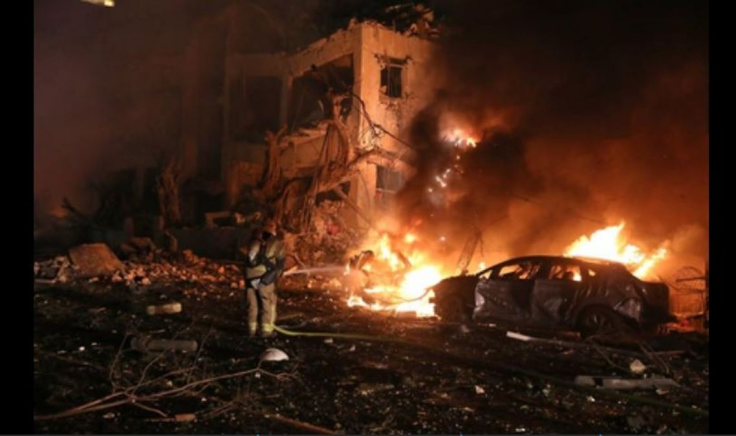
About a fifth of the world oil resources usually cross via the narrow waterway and any disturbance to shipping is of significant concern to the energy markets. Earlier in the week, oil prices rose to about 120 per barrel to the traders out of fear of interruption of shipments. The prices then relaxed at around 90 barrels per barrel and then began to shoot up as the tensions kept on rising.
Iran has threatened that the situation may even deteriorate given the conflict continues to take place. Comments by the officials in Tehran have warned that the global market needs to be ready to witness the oil prices reach as high as 200 per barrel.
The Iranian forces have also suggested that passage of cargo via the Strait of Hormuz has turned out to be very problematic with them claiming that they control the waterway that is of a strategic position and they attack any vehicle coming towards the Strait.
As military operations are going on and diplomatic offices are distant, the war is in no obvious signs of a conclusion with world markets and governments being particularly interested in the turn that is taken in the region.