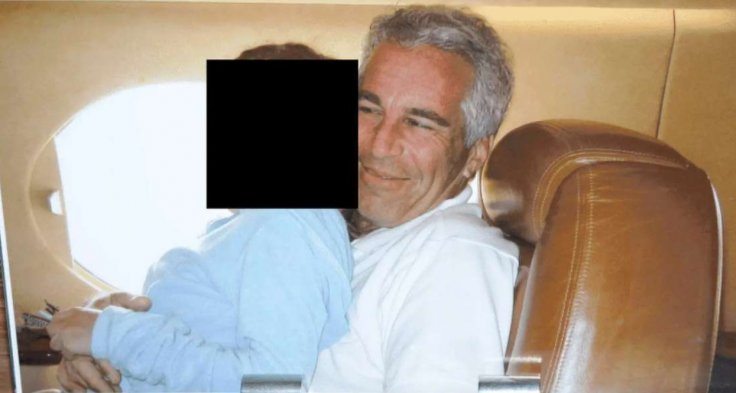
The public affect of the publications and the ongoing disclosure of records linked to financier Jeffrey Epstein are placing an immensely heavy load on one of the high-profile probes of late. The documents were recovered in the court proceedings, depositions and investigative records, reviving the interest in the claims, connections and witnesses connected with Epstein. A lot of names in the books do not point to misconduct, but the disclosures are an issue that brings controversy on accountability, power contacts, and legal boundaries of association. This content has emerged bit by bit, with civil suits and order of courts and forms an incomplete yet strong block of information that continues its influence on the popular perception.
In 2019, Epstein was charged with a federal felony of minor sex trafficking. The man passed away in custody during the same year and was declared a suicide but massively doubted. Since his death left many questions about his network to be answered only by the litigation of courts, nowadays, the civil lawsuits and documents are the primary sources of knowledge. The files over a period give detailed stories of the accusers, names of high-profile individuals, and descriptions on how social and financial influence of Epstein combined with his activity. Such continuous releases keep the case in the limelight.
The files are as a result of numerous lawsuits, primarily claims brought against damages and accountability. The litigation has produced sworn depositions, emails, flight records and testimonies summaries that become the so-called Epstein Files. Both parts of the document add a new background rather than an easily understandable narrative that encompasses how difficult it is to examine suspected wrongdoing that happened decades and spanned jurisdictions. Privacy issues against public interest are still being struck by the courts thus more records continue to be issued in a legal procedure.
Names, Associations and Legal Background
One of the hot topics when it comes to the Epstein files is the reference to public figures, business people and politicians. According to legal experts, the being listed does not imply criminal guilt since most of the references are obtained in social or professional circles and not directly. Nevertheless, the presence of the famous names has spawned transparency and due process especially when some accusers referenced setups with strong networks. The first point to understand the documents is the distinction among an allegation, association, and legal responsibility.
The recent release of the new array of works under the Epstein Files Transparency Act has further intensified the attention toward the global web of Epstein. It refers to hundreds of famous individuals in the political, business, academic, and entertainment spheres. The U.S. Justice Department asserted that it discharged approximately 3.5 million pages, consisting of emails, flight arrangements, and research material concerning Epstein.
Prince Andrew: Arrest and Fresh Investigation
The biggest recent news revolves around Prince Andrew whose connections with Epstein had been explored extensively. New documents indicate that Andrew may have passed some classified information about the government to Epstein when he was a trade envoy to the UK, which can be viewed as a red flag to potential malpractice in office.
Andrew was arrested on February 19, 2026, based on the bigger Epstein investigation of his suspected misconduct in public office, but was subsequently released and investigation went on.
There have also been allegations against accusers that have been leveled at Epstein through other documents and testimonies over the years that allege of trafficking and sexual encounters orchestrated by Epstein. Andrew has asserted that he has no wrong to do, and has paid a civil lawsuit without being found liable.
It is one of the most crucial institutional reactions associated with the most recent releases, manifesting that the active investigation may be determined by the archival evidence even many years after the death of Epstein.
Bill Gates, Stephen Hawking and other International Personalities
The recent files give a mention to more than 300 major individuals in technologies, academia, politics and finance. They mention Bill Gates and most of business leaders, and the authorities have clarified that references are at varying levels of association, ranging between documented meetings to the occasional mentions in correspondence.
The sources are in most cases, philanthropic events, scholarly meetings or third party communications rather than charges of misconduct. Analysts caution that the documents have to be interpreted in legal terms - contact lists and emails will not be sufficient in demonstrating guilt.
Earlier disclosures also mention the name of theoretical physicist Stephen Hawking, normally associated with scientific events and scientific conferences connected with the philanthropy of Epstein. There has been no confirmed legal judgment that Hawking has been involved in criminal behavior and numerous mentions merely state that Hawking attended and not that he was accused.
Archive and Continuing Legal Impact Scale
Epstein files are designed in the form of millions of pages that reveal decades of relationships, traveling, and financial transactions, and testimonies related to the network of Epstein. They have more than 180 thousand images, thousands of video records, emails and statements of witnesses, and they create a complicated image of his social network.
Although the extent of disclosures was huge, few individuals have been prosecuted as directly connected to the wrongdoings of Epstein. The biggest conviction thus far is Ghislaine Maxwell.
Most Shocking Testimonies
Civil depositions and court records of the Jeffrey epstein case are full of testimonies that are regularly quoted due to their disturbing accounts of the so-called recruitment strategies and settings. Accusers in United States lawsuits gave these statements under oath and they are part of the documentary archive generally referred to as the Epstein files. The accounts often explain how the victims testified about being contacted when young, being given monetary rewards, or being presented to social gatherings that were associated with the homes of Epstein. These factualizations have been relevant in civil litigation which attempted to recognize injury and monetary restitution, but not criminalizing other people.
One of the most well-known accusers, Virginia Giuffre, has filed legal documents that she was recruited as a minor and then trafficked to high-profile people, a statement that would lead to several lawsuits. In testimony under oath she claimed that Epstein and fellow accomplice Ghislaine Maxwell developed a model in which young women were pedophiled and ferried between destinations. In 2021, Maxwell pleaded guilty to federal charges where he was convicted of a sex-trafficking conspiracy, a ruling that did not only bolster the credibility of some of the victim testimonies but also obligated courts to hear claims leveled against other people on a case-by-case basis.
Other accusers said there was a set of coercion and manipulation claiming Epstein would buy credibility with a wave of money, contacts and career advancement before corruptions escalated. The testimonies are found in depositions and court motions instead of criminal verdicts with the majority of the identified individuals, which is a significant difference pointed out by law scholars. The written statements are accepted as accusations in civil proceedings unless they are supported by an independent set of evidence obtaining criminal standards of reliability.
There are also court transcripts describing the places where Epstein lived and the organization that was operating, which accusers say was used to perpetrate repeated abuse over the years. These testimony defamations were all influencing the story in courtrooms of civil cases, where the emphasis was placed on setting trends of activity, instead of indicting a wider network of contacts than Epstein and Maxwell. The testimonies do not lack importance since they are not anonymous and speculative claims flying outside of the judicature.
Viral Revelations
Flight logs, address books, contact lists are among the most popular revelations in the Epstein files tracing the vast global net of the financier. These documents demonstrate that Epstein has communicated with politicians, business people, academicians, and celebrities all over decades. Nevertheless, law enforcers and journalistic writers have made it clear all through that appearing in flight manifests or other contact directories, does not alone imply wrong doing. These types of logistical records indicate the affiliation or trip adjacency, but need to be supported by other proofs prior to the concealment of criminal behavior.
One of the best revelations that have become popular with the overall archive is the conviction of Ghislaine Maxwell. What followed was her trial that unleashed emails, witness accounts, and supportive information explaining that prosecutors claimed she was actively involved in recruiting and grooming minors to Epstein. The judgement confirmed the aspects of the story of the accusers as well as rendering that the law has a look at the individual responsible liability of each person separately depending on the evidence that is admissible.
The other viral growth has been the incremental de classification of thousands of pages of documents by civil suits and in court. They contain deposition extracts, inquiry letters, and other references to individual names that had been withheld before. Courts have pointed out severally that unsealing is meant to bring transparency in the civil proceedings process, rather than stating that the persons mentioned in the records are guilty of an act. This has been a key consideration towards avoiding misunderstanding of document references as findings of law.
Even the depth of the Epstein network as such has become a significant disclosure, with the example of how one man developed networks in political, scientific, and financial worlds of the world. According to the analysts, the implication of any one name is not so important but rather the access of a system that Epstein seemed to possess to institutions and events with great influence. The accruing records have consequently been construed as indicators of reach and impact as opposed to the suggesting of organized malpractice among everyone mentioned.
Recommended For You: FAQs
What are the Epstein files?
The Epstein files refer to court documents, depositions, flight logs, emails, and investigative records connected to Jeffrey Epstein's criminal and civil cases, released through judicial proceedings and legal disclosures.
Do testimonies in the files prove criminal guilt?
No. Testimonies are sworn statements presented in civil or investigative contexts and are considered allegations unless independently corroborated and proven in criminal court.
Why are certain names appearing in the documents?
Names may appear due to social, professional, or logistical associations such as meeting records, contact lists, or travel logs, which do not automatically imply involvement in wrongdoing.
Which revelations have been legally confirmed?
The most significant confirmed outcome remains the conviction of Ghislaine Maxwell on federal charges related to sex trafficking conspiracy, based on evidence presented during trial proceedings.
Are more documents expected to be released?
Yes. Courts continue to review requests to unseal additional materials, meaning further disclosures may emerge as ongoing civil litigation and judicial assessments proceed.


